Author: nTokenX | Published: September 8, 2026 | Updated: September 8, 2026
The Sora API is OpenAI’s asynchronous video generation interface for creating clips from text or image inputs. However, its usefulness is now time-limited: OpenAI says the API will be permanently discontinued on September 24, 2026. Existing developers should treat integration work as migration preparation rather than a new long-term platform commitment. (openai.com)
This guide explains current access, costs, implementation, documentation inconsistencies, and a practical way to choose a replacement.
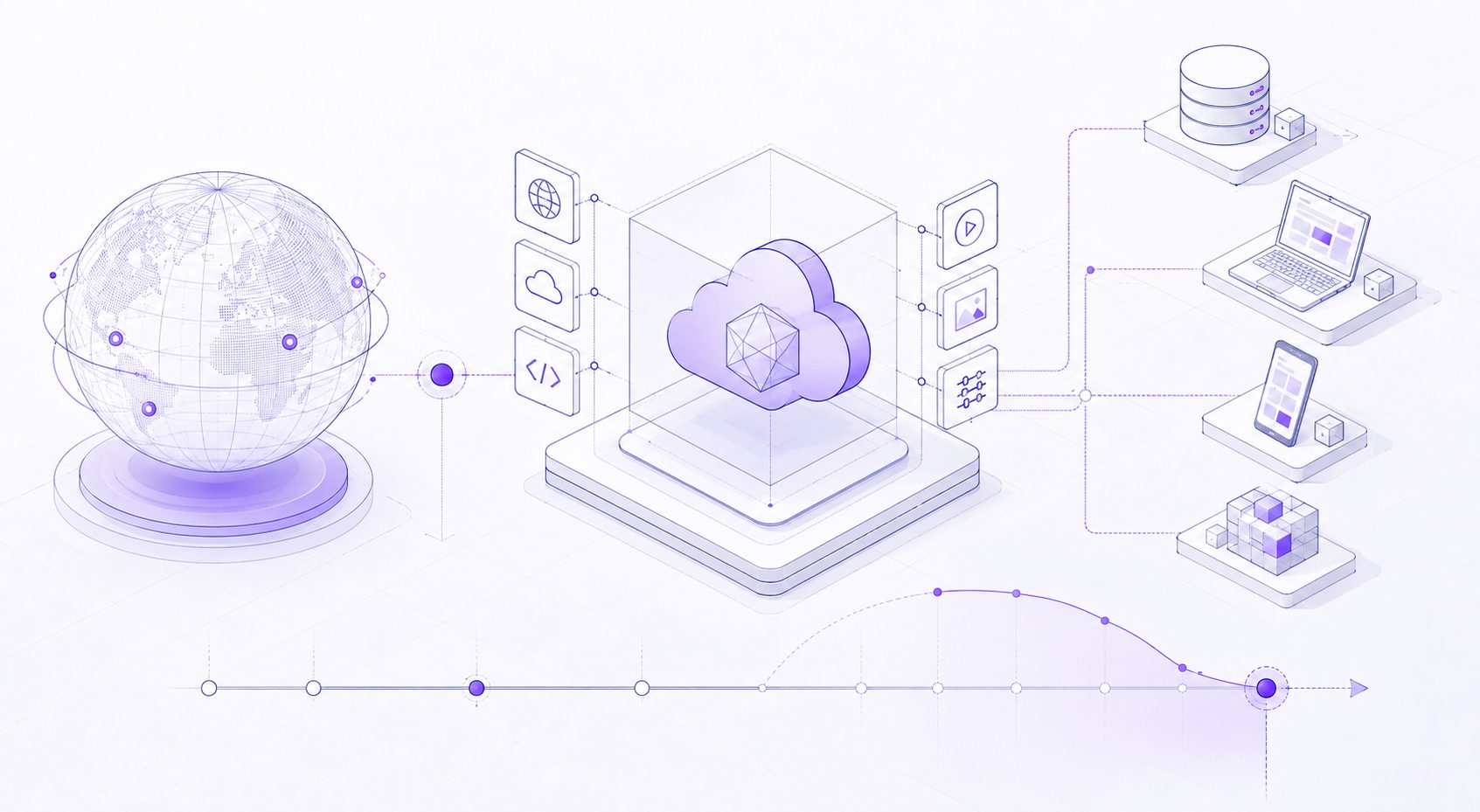
What Is the Sora API, and Is It Still Available?
The Sora API is a programmatic video generation service built around OpenAI’s sora-2 and sora-2-pro models. It accepts a prompt and optional reference image, creates a background rendering job, and returns an MP4 after processing. It remains documented, but the endpoint is officially deprecated.
OpenAI discontinued the Sora web and app experiences on April 26, 2026. The API has a separate shutdown date of September 24, 2026, so availability today should not be confused with long-term support. (openai.com)
For existing eligible accounts, the model page lists access through v1/videos; the free usage tier is not supported. Teams evaluating it now should limit work to compatibility testing, content retrieval, and migration—not a new architecture dependent on Sora. (developers.openai.com)
How Much Does Sora Video Generation Cost?
Sora video generation is billed per output second. Standard rates currently range from $0.10 per second for Sora 2 at 720p to $0.70 per second for Sora 2 Pro at 1080p. Batch rates shown by OpenAI are half the corresponding standard rates. (developers.openai.com)
| Model and output | Standard rate | 8-second render | Batch rate |
|---|---|---|---|
| Sora 2, 720p | $0.10/sec | $0.80 | $0.05/sec |
| Sora 2 Pro, 720p | $0.30/sec | $2.40 | $0.15/sec |
| Sora 2 Pro, 1024p | $0.50/sec | $4.00 | $0.25/sec |
| Sora 2 Pro, 1080p | $0.70/sec | $5.60 | $0.35/sec |
A more useful planning formula is:
Required accepted clips ÷ creative acceptance rate × seconds per render × price per second.
For example, producing 100 accepted eight-second clips at the $0.10 rate costs $80 only if every generation is usable. At a 60% acceptance rate, the workload rises to approximately 167 renders and $133.60.
This original acceptance-adjusted model exposes the cost often omitted from basic pricing comparisons: rejected, off-brand, or technically flawed generations still consume budget.
How Do You Integrate the Video API?
Integration follows an asynchronous job pattern rather than returning a finished clip immediately. Create a render, retain its job ID, monitor its status, and download the file only after the job reaches completed. OpenAI also supports completion and failure webhooks. (developers.openai.com)
- Create an authenticated API project. Use an eligible OpenAI project and keep its secret key on your server.
- Submit
POST /v1/videos. Provide a model, prompt, duration, and output size. - Store the returned job ID. Initial states include
queuedandin_progress. - Poll or register a webhook. Webhook events include
video.completedandvideo.failed. - Download and persist the MP4. Retrieve completed content through
/videos/{video_id}/content.
curl -X POST "https://api.openai.com/v1/videos" \
  -H "Authorization: Bearer $OPENAI_API_KEY" \
  -H "Content-Type: multipart/form-data" \
  -F model="sora-2" \
  -F size="1280x720" \
  -F seconds="8" \
  -F prompt="A slow aerial shot above a misty evergreen forest at sunrise"
Production code should use idempotency controls, exponential backoff, failed-job logging, and separate storage for final assets. The rendering request is only one component; queue management and output retention are equally important.
What Should Engineers Verify Before Shipping?
Engineers should validate the live API contract instead of relying on a single documentation page. As of September 8, 2026, OpenAI’s guide, pricing table, and typed endpoint reference expose material differences in their stated duration and resolution options.
| Parameter | Typed create reference | Video guide or pricing page |
|---|---|---|
| Duration | 4, 8, or 12 seconds | Guide describes 16- and 20-second generation |
| Maximum listed size | 1792×1024 or 1024×1792 | Guide and pricing include 1920×1080 |
| Lifecycle | Endpoint marked deprecated | Shutdown scheduled for September 24, 2026 |
The differences are visible across OpenAI’s official endpoint reference and video generation guide. (developers.openai.com)
A safe compatibility check should:
- Read allowed values from the installed SDK version.
- Submit a low-cost feature probe in the target account.
- Record model, duration, size, latency, and error code.
- Fall back to a known-supported configuration.
- Keep provider-specific fields outside application business logic.
This contract-first check is more reliable than assuming every documented option is enabled for every account or SDK release.
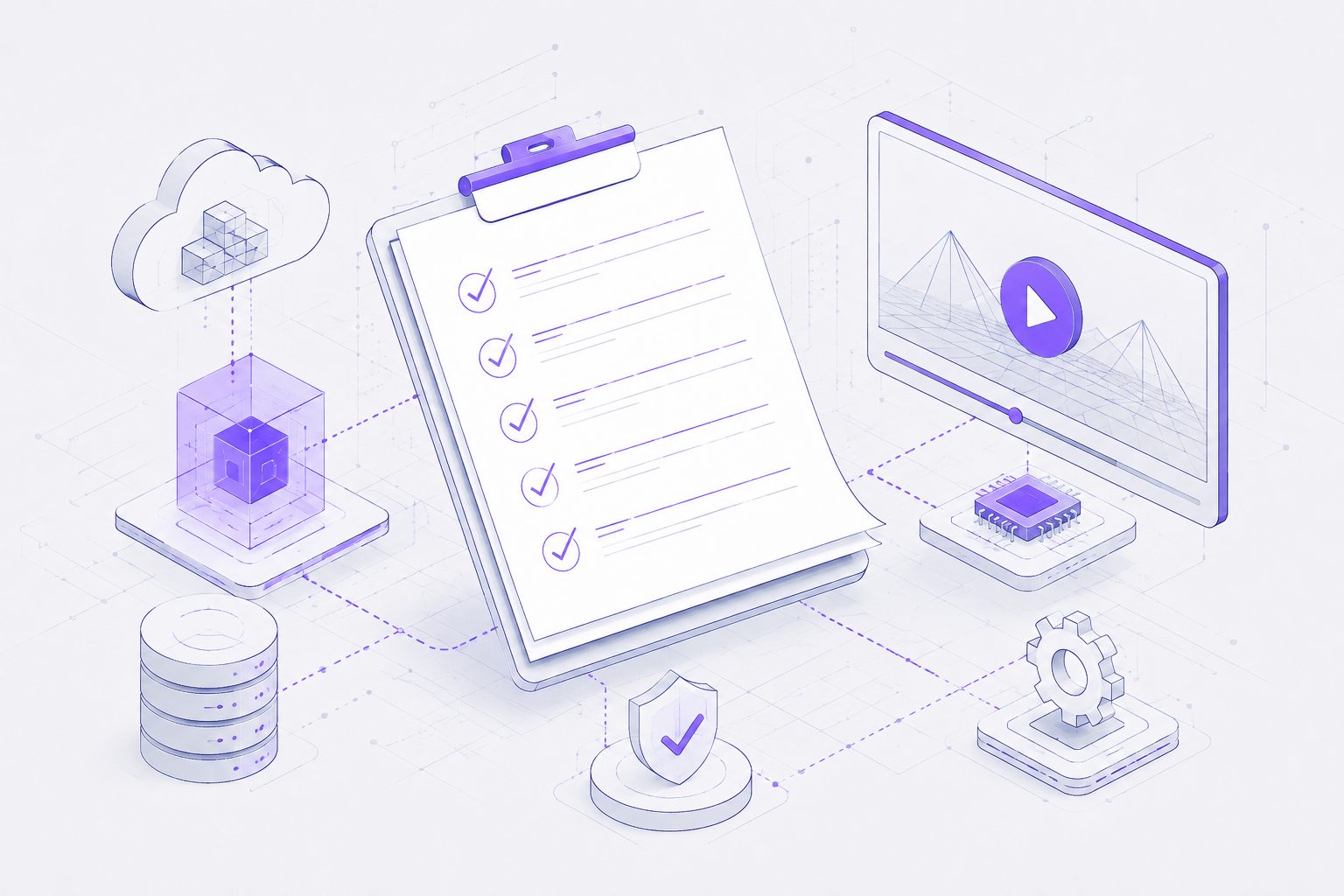
Which Sora Alternative Should You Choose?
The right replacement is not simply the video model with the most impressive demo. It is the option that satisfies your requirements for output quality, API continuity, latency, commercial permissions, data handling, observability, and provider portability.
| Access model | Best fit | Primary risk |
|---|---|---|
| First-party video API | Teams prioritizing direct vendor relationships | Provider lock-in |
| Bring-your-own-key gateway | Organizations using several official provider accounts | More configuration work |
| Third-party model relay | Fast evaluation through one credential | Authorization, continuity, and data practices vary |
| Self-hosted video model | Teams needing infrastructure control | Significant compute and operations overhead |
A unified AI API can isolate applications from provider-specific authentication and response formats. An AI gateway architecture can also centralize routing, monitoring, quotas, and policy enforcement.
These platforms fall into two broad categories. A formal API gateway routes requests using keys that customers obtain from model vendors. A third-party relay purchases or represents model capacity and exposes it through its own API. The second category requires closer review of authorization, stability, retention, and security practices; the multi-model relay guide explains this distinction in detail.
How Should You Migrate Before September 24?
A durable migration separates the product workflow from the outgoing provider. Preserve prompts and accepted outputs, define a provider-neutral job schema, benchmark alternatives on representative scenes, and move routing decisions into a gateway or adapter layer.
- Inventory every dependency. Include model names, prompt templates, reference assets, webhook handlers, storage jobs, and moderation rules.
- Create a neutral job object. Standardize fields such as prompt, aspect ratio, duration, status, provider, cost, and output location.
- Build a representative evaluation set. Use at least 20–30 prompts spanning motion, composition, text rendering, product imagery, and failure-prone scenes.
- Score outputs consistently. Measure prompt adherence, temporal stability, visual defects, latency, acceptance rate, and effective cost per accepted clip.
- Run providers in parallel. Avoid a one-day cutover without comparative output data.
- Remove the deprecated route. Archive logs and authorized assets, then delete unused credentials and webhook configurations.
nTokenX provides one API key for accessing multiple model families, including GPT, Claude, Gemini, and Grok. This does not imply Sora availability; confirm the current model catalog before selecting any multi-model platform for video workloads.
Frequently Asked Questions
Can I still apply for Sora API access?
The endpoint remains documented for eligible users, but OpenAI has scheduled its permanent shutdown for September 24, 2026. A new integration therefore has little value unless it supports testing, retrieval, or a controlled migration. (openai.com)
Is there a free Sora 2 API tier?
No free API tier is listed for sora-2. OpenAI’s model page marks the free tier as unsupported and publishes rate limits for paid usage tiers. (developers.openai.com)
Does the API support image-to-video generation?
Yes. The create endpoint accepts an optional input reference supplied as an uploaded file or image URL, subject to content restrictions. OpenAI currently rejects input images containing human faces. (developers.openai.com)
What restrictions affect video requests?
OpenAI’s guide says requests must be suitable for audiences under 18. Copyrighted characters or music, real people, public figures, and human-face reference images are restricted or rejected. (developers.openai.com)
What is the safest long-term replacement strategy?
Use a provider-neutral application contract and evaluate official video APIs through measurable criteria. If a gateway or relay is involved, verify authorization, data retention, observability, model provenance, and exit procedures before sending production data.